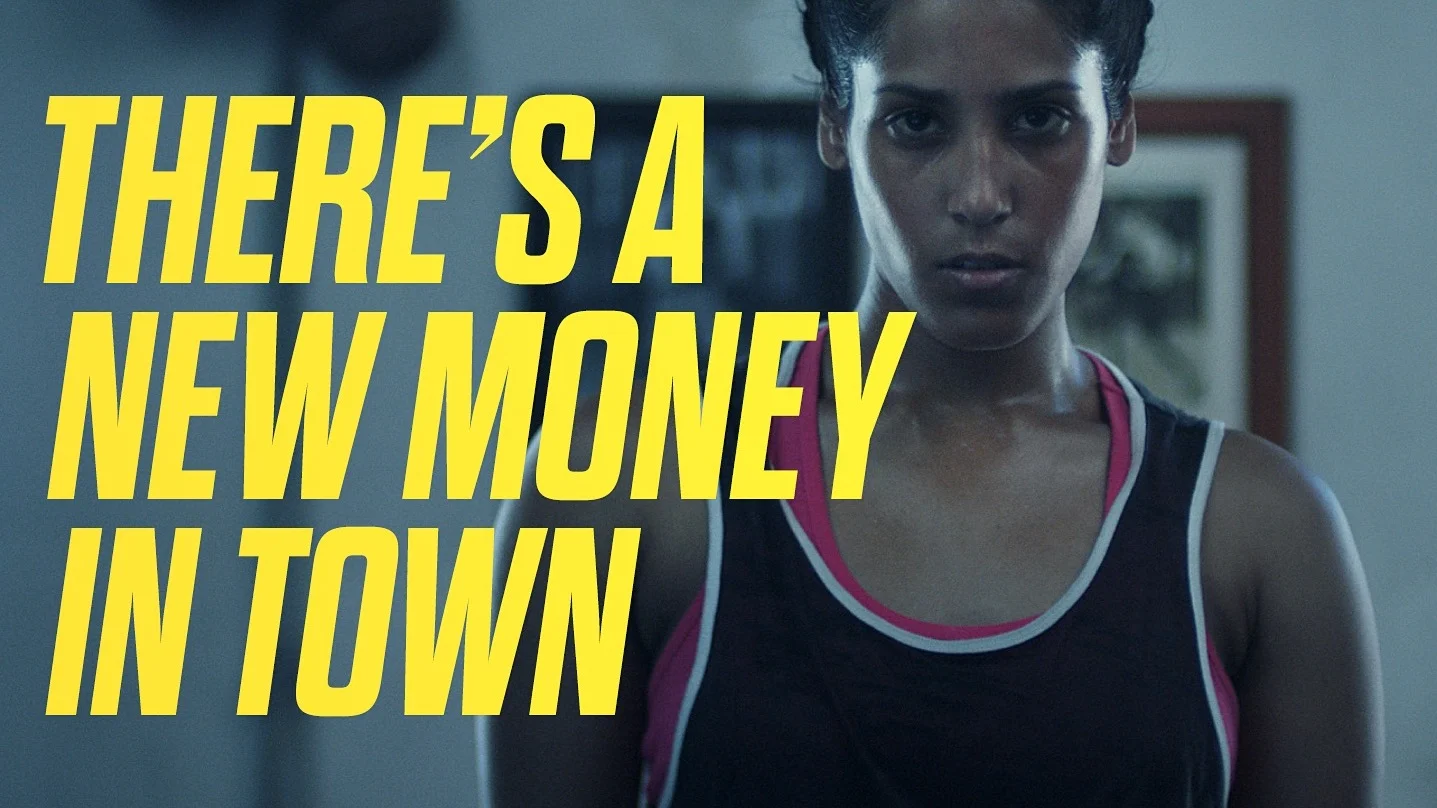
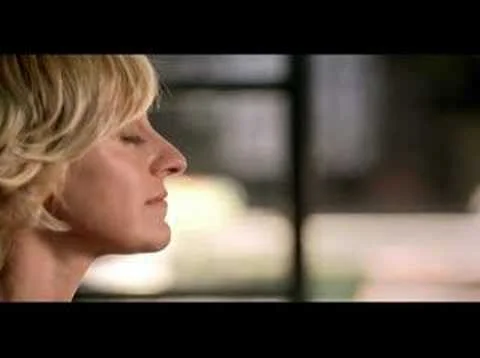
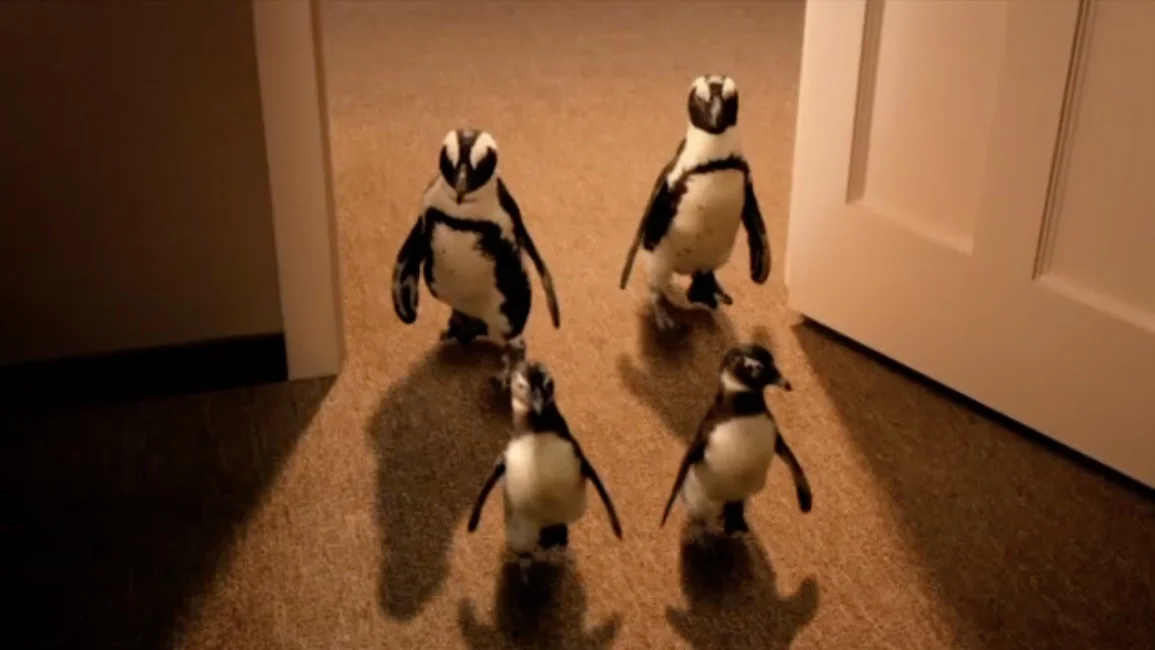
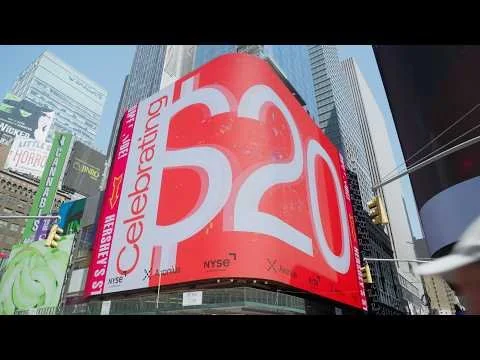
When PayPal spun off from eBay in 2015 as an independent company, it faced a defining challenge: fintech had exploded, the competitive landscape had never been more crowded, and consumers had largely forgotten that PayPal invented the category. The insight was hiding in plain sight — "new money" had always been a cultural put-down, a sneer aimed at those who earned rather than inherited their wealth. We flipped the script, reclaiming the phrase as a badge of honor and rallying cry for financial inclusion. The result was PayPal's first-ever global brand campaign as an independent company, anchored by the brand's first Super Bowl appearance — boldly declaring there was a new money in town. Executed across TV, OOH, digital, social, and a Hulu partnership, the campaign successfully repositioned PayPal as the defining voice of the financial revolution — faster, safer, more inclusive, and built for everyone.
- 2017 New York Festivals Shortlist
- 2016 Cannes Bronze Cyber Lion
- 2016 Shorty Award Winner
There’s a New Money in Town | Super Bowl 2016
Bill Split | P2P Product Spot
Digital VIdeo | Hulu Partnership
New Money Case Study
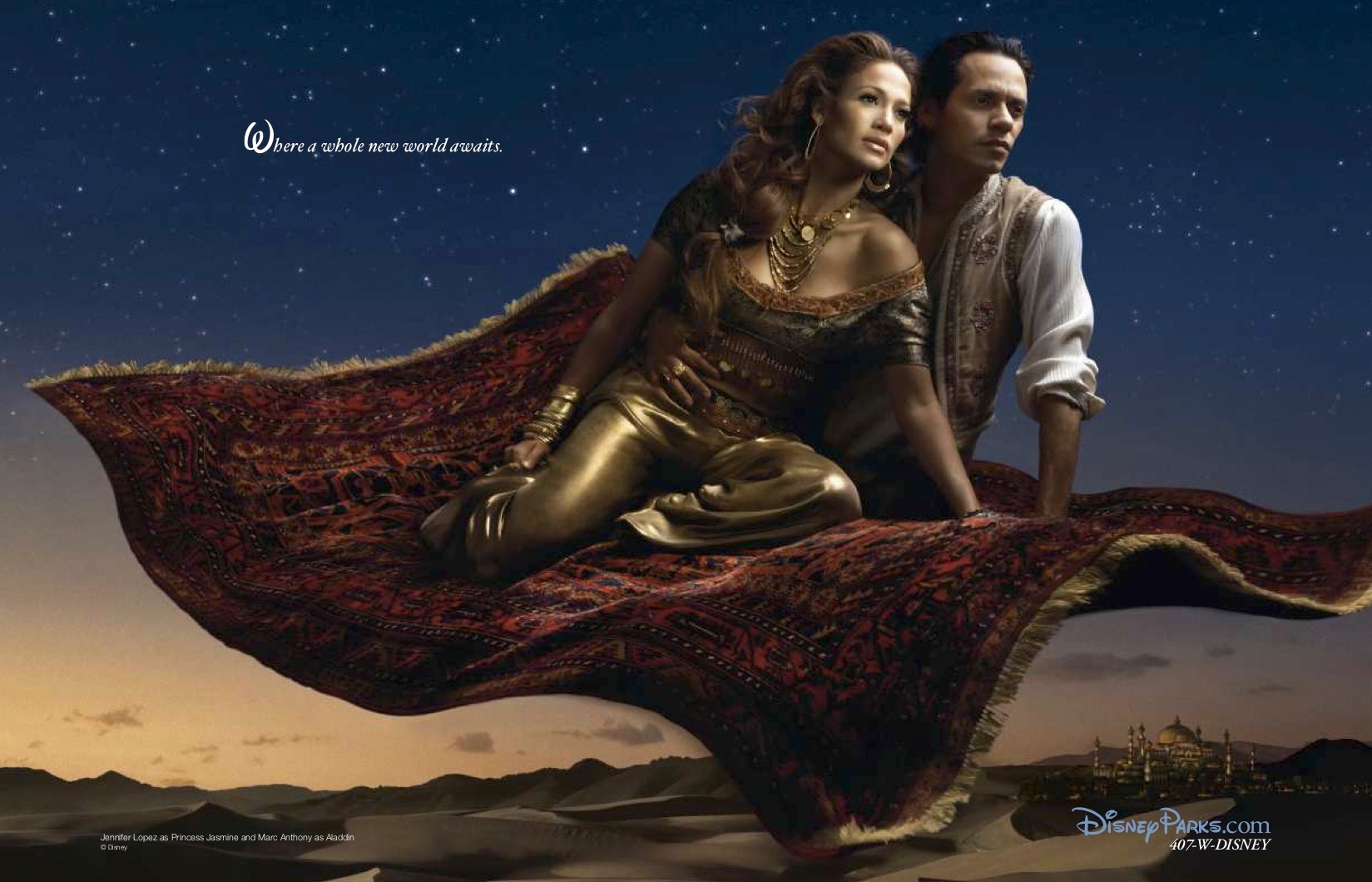
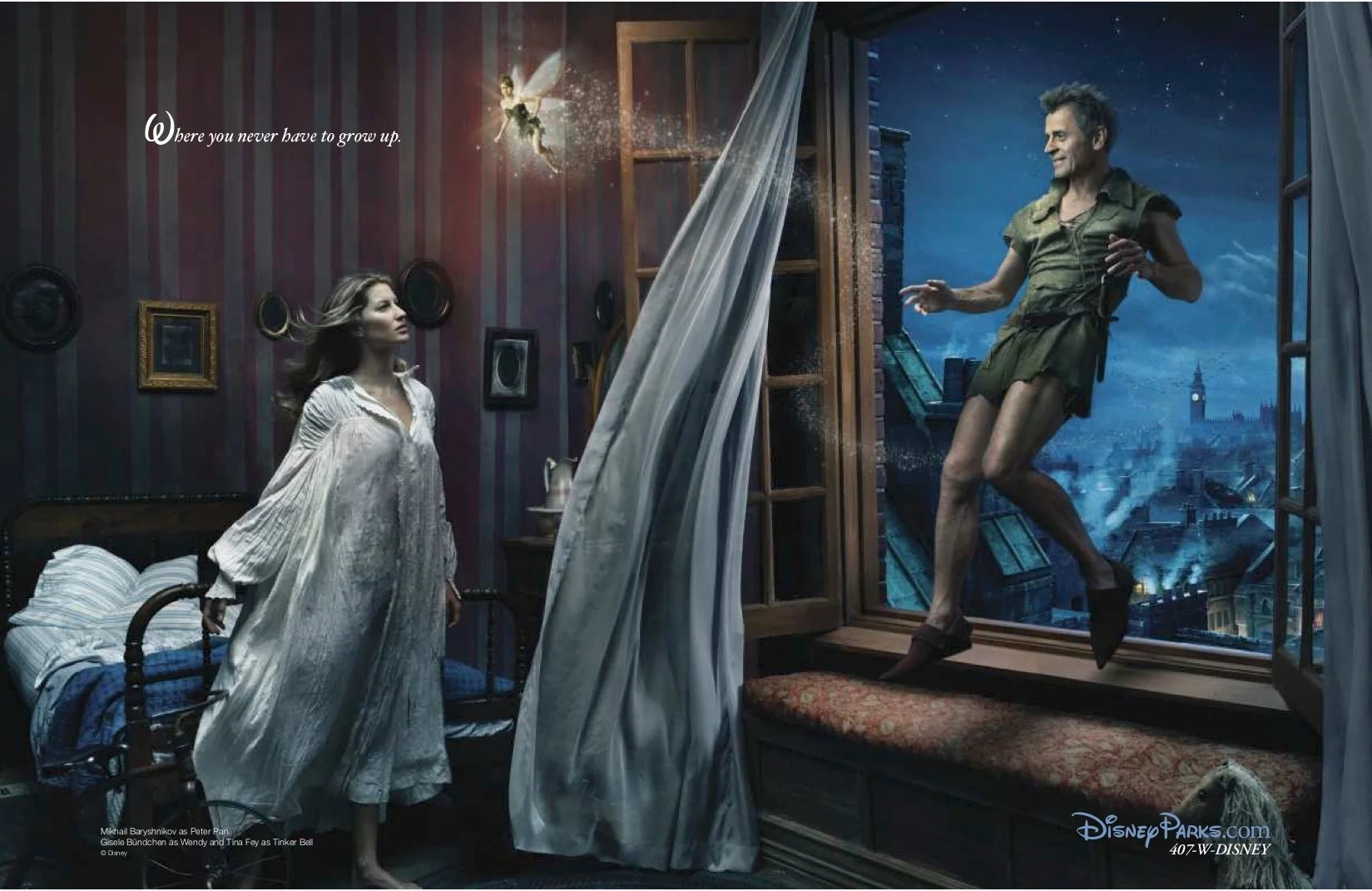
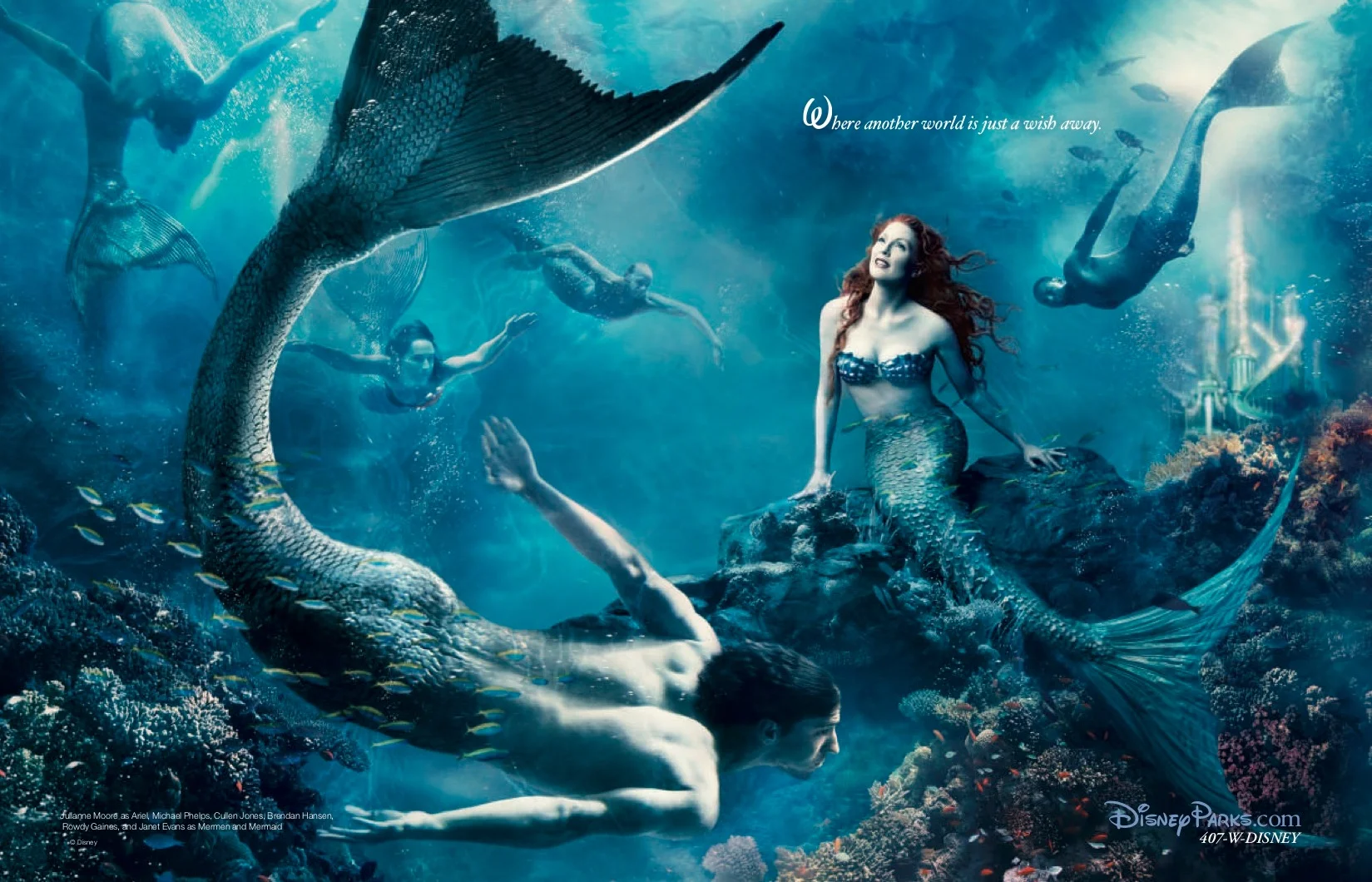
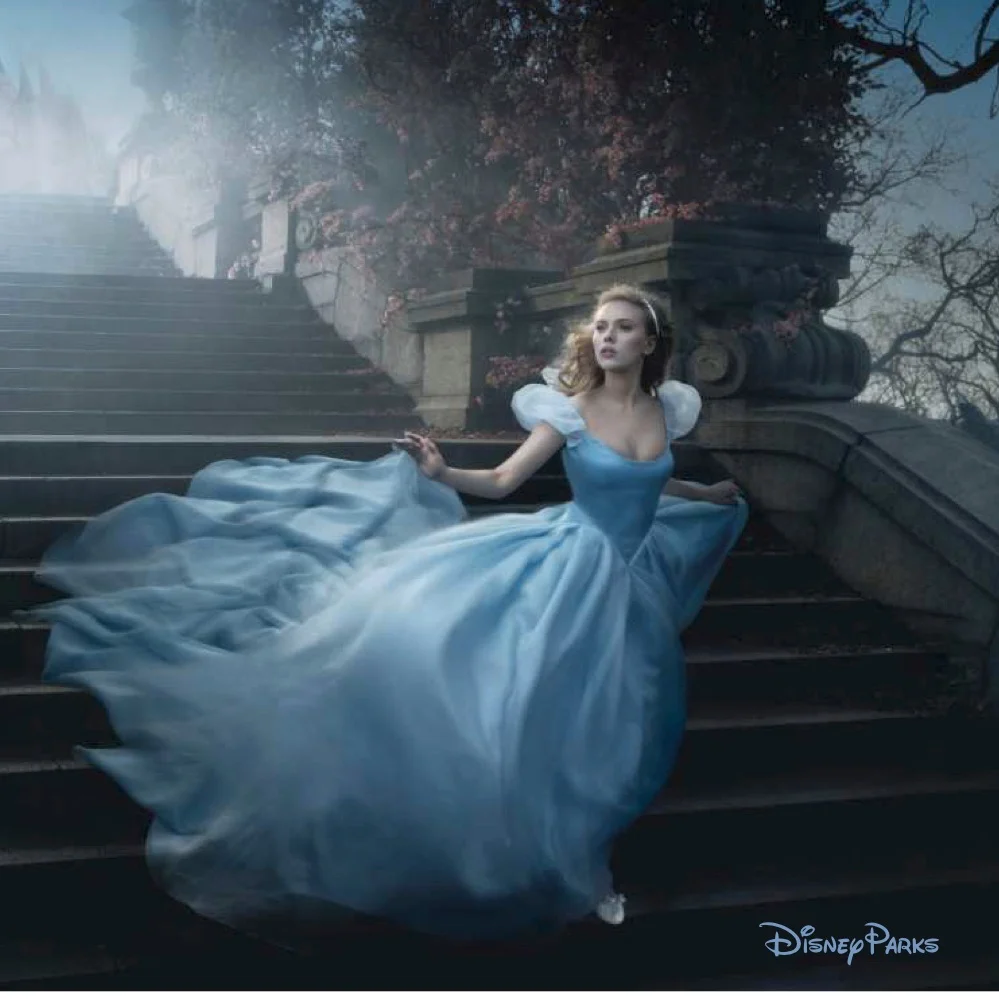
As younger generations consumed pop culture at an accelerating pace, Disney Parks faced a relevance gap — its core mythology felt nostalgic to families who had grown up and moved on. The insight was that Disney's characters weren't dated; they simply needed to be seen through a new lens. The solution was a collaboration with iconic photographer Annie Leibovitz, casting A-list celebrities — Scarlett Johansson, David Beckham, Taylor Swift, and others — as beloved Disney characters in a breathtaking portrait series that blurred the line between advertising and art. By merging Disney's timeless stories with contemporary cultural figures, the campaign elevated Disney Parks from a childhood memory to an aspirational destination for a new generation of families. It helped grow Parks revenue 8% to $11.5 billion — even as the 2008 recession battered the broader travel and entertainment industry — and generated over $100 million in earned media worldwide, running for seven celebrated years.
Scarlett Johansson as Cinderalla
David Beckham as Prince Philip
Beyonce as Alice in Wonderland, Oliver Platt as the Mad Hatter, and Lyle Lovett as the March Hare
Rachel Weisz as Snow White
Roger Federer as King Arthur
Jennifer Lopez as Jasmine and Marc Anthony as Aladdin
Giselle Bundchen as Wendy, Mikhail Baryshnikov as Peter Pan., and Tina Fey as Tinkerbell
Julianne Moore as Ariel, and Michael Phelps and the US Olympic Swim Team as merman
Johnny Depp as Captain Jack Sparrow and Patti Smith as the Second Pirate in Command
Olivia Wilde as the Evil Queen, and Alec Baldwin as the Magic Mirror
Penelope Cruz as Belle, and Jeff Bridges as the Prince
Taylor Swift as Rapunzel
Queen Latifah as Ursula
Jennifer Hudson as Princess Tiana
American Express had a perception problem: the brand felt exclusive in the wrong way — distant, transactional, and out of touch with a new generation of cardmembers. The insight was that the most powerful thing about an Amex card wasn't its benefits — it was who carried one. We identified a select group of cardmembers — Tina Fey, Ellen DeGeneres, Beyoncé, and others — and let their extraordinary lives do the talking, building the campaign entirely around autobiographical moments that felt refreshingly human. The approach was simple, direct, and remarkably effective: it deepened emotional affinity with existing cardmembers, drove a direct lift in new card acquisition, and contributed to a 20.5% increase in company revenue — growing the business to nearly $28 billion during the campaign's run.
Tina Fey
Beyonce
When the 2010 Deepwater Horizon disaster consumed the national conversation, the entire energy industry faced a reputational crisis — and Chevron couldn't afford to stay silent. The challenge wasn't to defend Chevron's record; it was to change the terms of the conversation entirely. The insight came from the protesters themselves: the language of criticism — oil companies should invest in renewables, oil companies should fix the problems they create — was also, quietly, Chevron's own position. We turned the protest signs around. Executed across print, TV, digital, and OOH and targeted globally, the campaign met critics on their own ground and reframed Chevron as a company willing to say what others wouldn't — helping drive 46.9% revenue growth even as the Gulf Oil Spill cast a shadow over the entire sector.
‘We Agree’ Case Study
As social commerce began reshaping how people discovered products, PayPal saw an opportunity to show up at the intersection of discovery and purchase in a way no payment brand had attempted before. The insight was simple: the world's most interesting markets were inaccessible to most people — but they didn't have to be. Local Selects was a first-of-its-kind livestream shopping experience that virtually transported viewers to iconic artisan markets in real time, from the Melrose Trading Post in LA to markets in New York City and Sydney, Australia. With style authority Leandra Medine of Man Repeller as guide, shoppers browsed on Facebook Live while a custom microsite displayed product details and purchase options in real time — collapsing the gap between discovery and transaction instantly. The campaign established PayPal as a pioneer in live commerce, years before the format went mainstream.
2018 Cannes Lions — Silver Lion
2018 One Show — Bronze Pencil
Gold Shorty Award
2017 New York Festivals Midas Awards — 2x Gold, 1x Silver | "The World's Best Financial Advertising"
Local Selects Case Study
As the 2008 recession deepened and discretionary spending collapsed, Disney Parks needed more than a promotion — it needed a new emotional rationale for the trip. Rather than discount the dream, we reframed the experience: instead of selling a theme park, we invited families to use Disney as the backdrop for life's most meaningful moments — birthdays, anniversaries, graduations, reunions. The campaign culminated in a Disney Parks first: free admission to any park on your birthday. Launched on January 1, 2009, it gave millions of families a personal reason to come even in a year when no one was spending, helping grow Parks revenue 8% to $11.5 billion even as the broader travel and entertainment industry buckled under recession pressure.
Residence Inn had spent decades as the category leader in extended-stay hospitality — but leadership doesn't protect against irrelevance. As a new generation of business traveler emerged, one who expected design, connectivity, and balance rather than just square footage, the brand needed a campaign that elevated the product story into something aspirational. The insight was hiding in the brand name itself: this wasn't a room. It was a residence. The 2012 launch reframed the extended-stay experience — not as a compromise when a trip runs long, but as a deliberate upgrade to how professionals live on the road — helping reinforce Residence Inn's position as the clear category leader at a moment when extended-stay brands collectively accounted for one-third of Marriott's entire North American development pipeline.
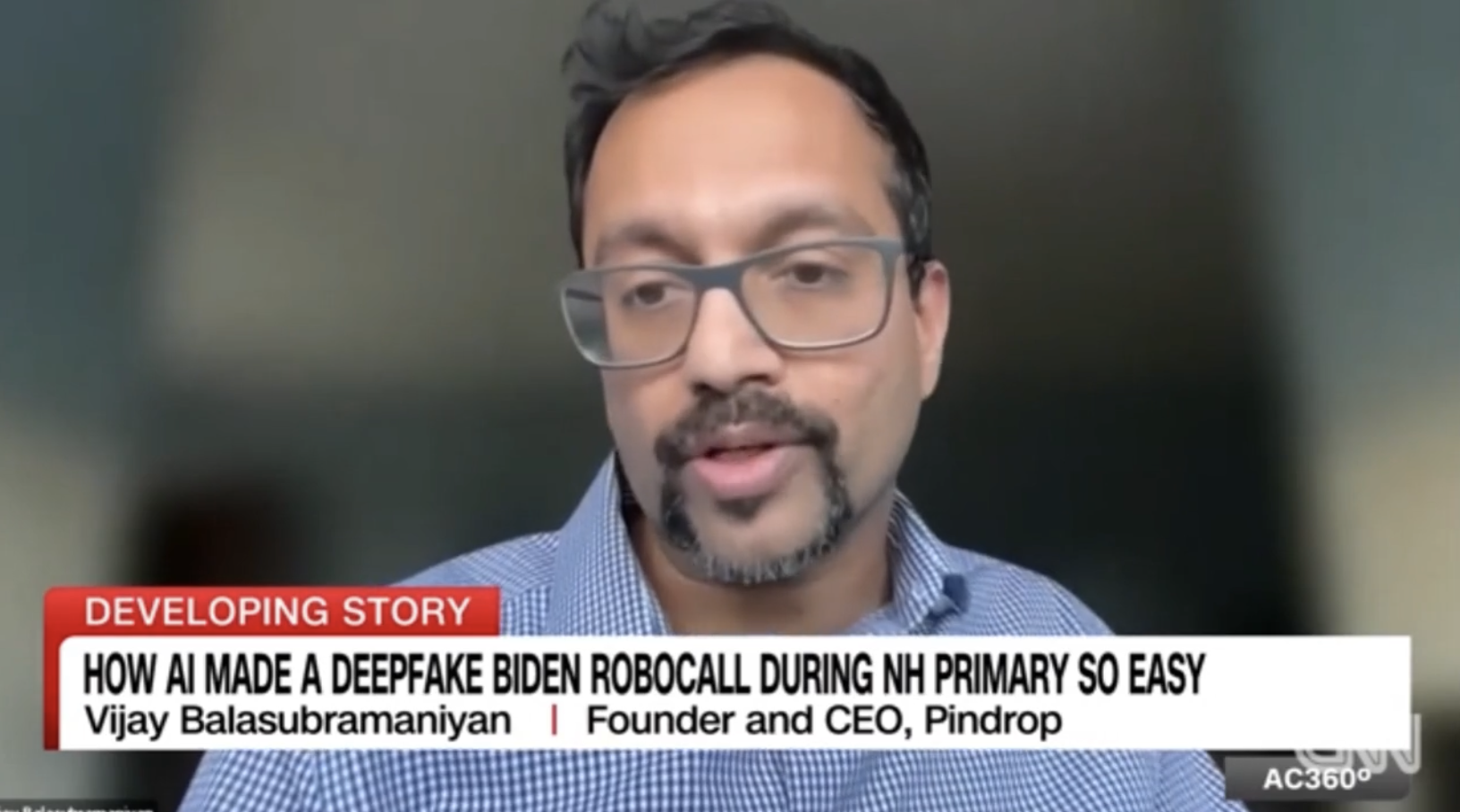
Deepfake audio had become one of the most urgent and least understood threats in cybersecurity — and Pindrop had built the technology to detect it. The challenge was making the broader world care. Rather than launch through conventional trade channels, we went straight to the cultural conversation, securing a feature on CNN's Anderson Cooper 360 that put deepfake fraud in front of millions of mainstream viewers and positioned Pindrop as the authority on a problem people were only beginning to grasp. The earned media strategy amplified from there — driving a 173% YoY increase in press mentions, over 2 billion media impressions, and coverage in WSJ, Forbes, Bloomberg, Fox, NBC, Inc., and CNN. The results: Pindrop Pulse became the most successful product launch in the company's 13-year history, generating more revenue in its first nine months than the prior four-plus years combined.
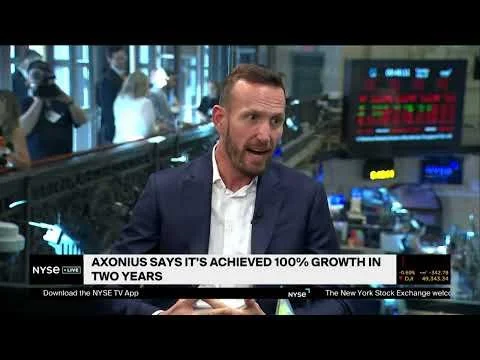
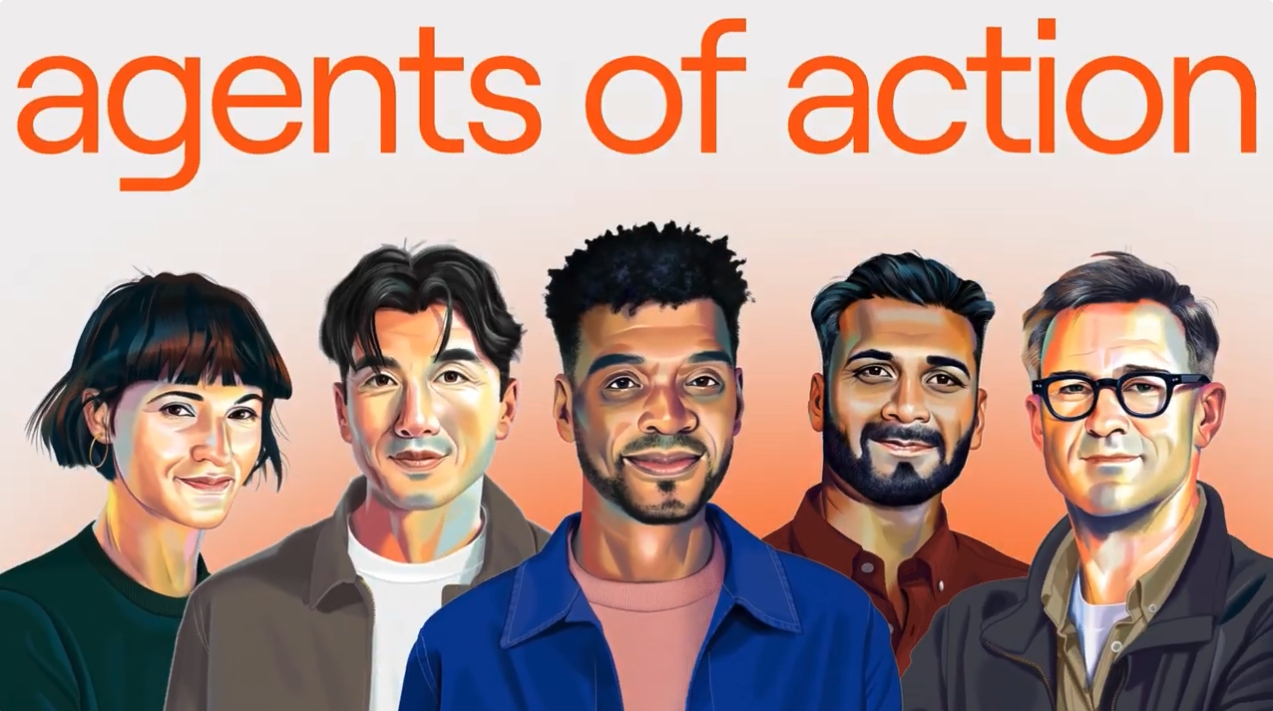
Axonius had the product and the category leadership — but the brand had gone quiet during a period of slowed growth. The insight was that security and IT professionals were largely invisible in the broader tech conversation: unsung operators making high-stakes decisions every day with little recognition. "Agents of Action" put them at the center, honoring the people who use Axonius to reduce risk, drive efficiency, and enable innovation — while reintroducing the brand with a sharper narrative and identity. The campaign drove 4x industry benchmark CTR, a 33% lift in brand engagement over competitors, and a 43% YoY increase in qualified pipeline, contributing to 30% YoY ARR growth and Axonius surpassing $200M ARR.